

Postpartum Bleeding Care: What Every New Mother Should Know

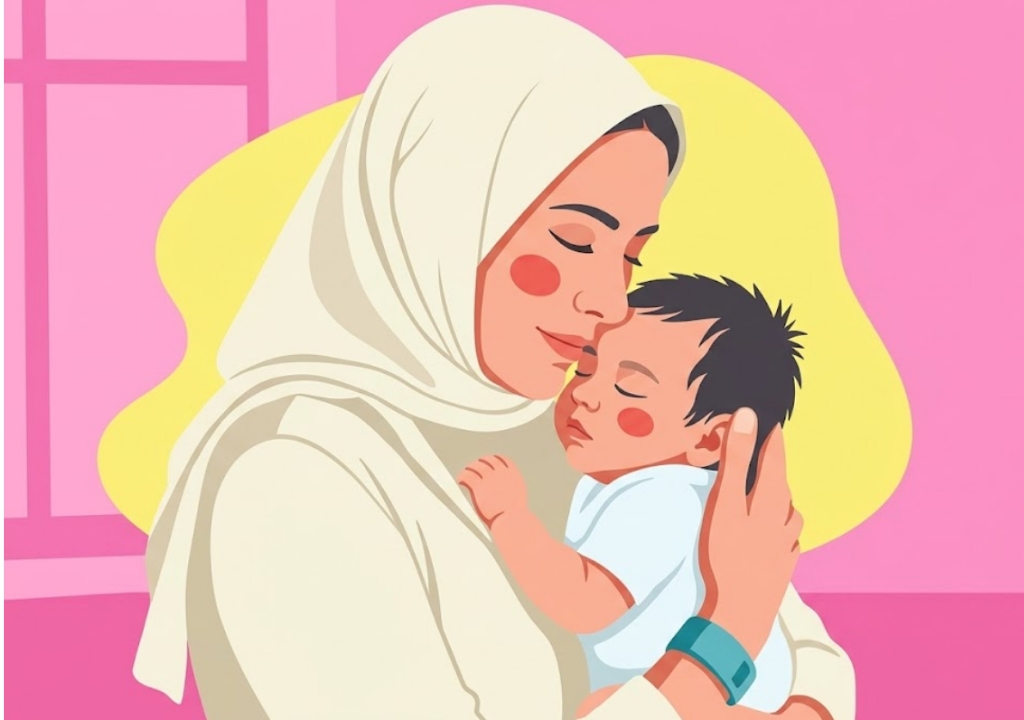
Nobody warns you about how heavy postpartum bleeding can be.
You have just given birth. Your body has done something extraordinary. And then the bleeding begins and it keeps going, sometimes for four to six weeks. This is called lochia, and it is completely normal. But normal does not mean easy, and most new mothers are completely unprepared for it.
Here is what you need to know and how to take care of yourself through it.
What Is Postpartum Bleeding?
After delivery, your uterus sheds its lining and heals the site where the placenta was attached. The result is lochia, a discharge of blood, mucus, and uterine tissue that happens regardless of whether you had a vaginal birth or a C-section.
In the first few days, it is often heavier than your heaviest period and bright red. Over the following weeks it lightens in colour, pink, then yellowish-white, before stopping entirely. The total duration varies from woman to woman but typically lasts three to six weeks.
What Is Normal and What Is Not
Postpartum bleeding is expected. However, some signs require immediate medical attention:
- Soaking through a pad in less than an hour for two or more consecutive hours
- Passing clots larger than a golf ball
- Bright red bleeding that returns after it had started to lighten
- Foul-smelling discharge
- Fever, chills, or severe abdominal pain alongside heavy bleeding
If any of these occur, contact your doctor or go to the hospital immediately. These can be signs of postpartum haemorrhage or infection.
How to Care for Yourself
Rest as much as possible. Increased activity can temporarily increase bleeding. Your body is healing, treat it accordingly.
Eat iron-rich foods. Postpartum blood loss can contribute to anaemia. Eat red meat, lentils, spinach, and leafy greens. If you feel unusually fatigued or breathless, ask your doctor about iron supplementation.
Stay hydrated. Especially if you are breastfeeding, your fluid needs are higher than usual.
Use the right protection. This is where most new mothers struggle most.
Why Standard Pads Fall Short After Delivery
Hospital-issued maternity pads are bulky, stiff, and rough against skin that is already sore and sensitive. Standard pads shift, bunch, and fail and when you are sleep-deprived and recovering from delivery, the last thing you need is to be checking your pad every hour at 3am.
Postpartum skin is also more sensitive than usual. Friction and chafing from rough pad materials can be genuinely painful, especially after a vaginal delivery.
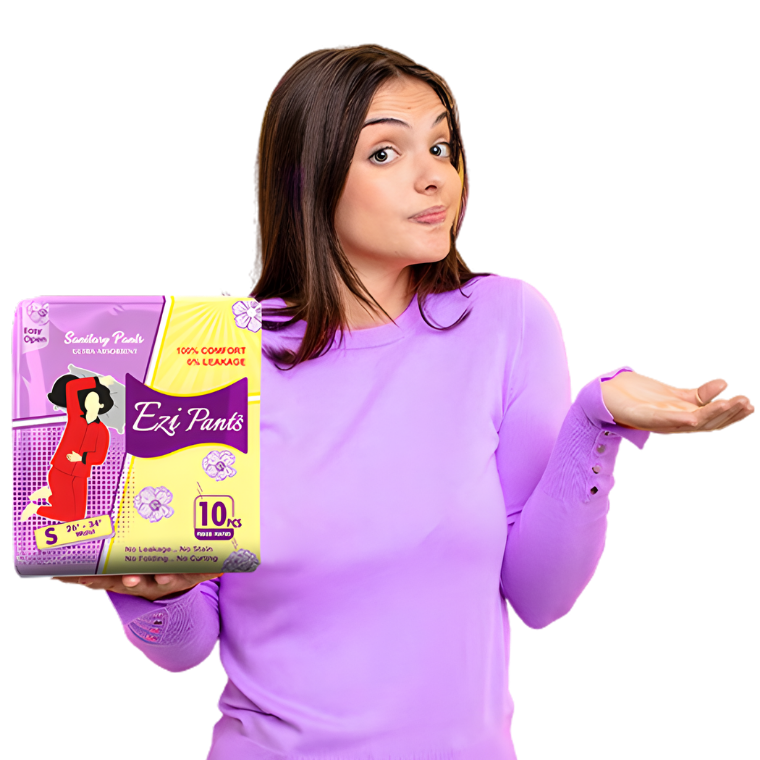
Why New Mothers Are Switching to EziPants
EziPants sanitary pants fit like underwear which means they stay in place whether you are lying down, feeding your baby, or slowly getting back on your feet. The 360° elastic fit is gentle on sensitive postpartum skin with no digging or rubbing.
The 48cm extra-long absorbent core handles heavy postpartum flow, significantly more than a standard pad can manage. And the thin, breathable layers keep you comfortable during what is already a physically demanding time.
Up to 12 hours of protection means one less thing to worry about during night feeds.
Wear. Tear the side. Discard. That is all it takes.
At Rs. 65 per pant, EziPants is an affordable, comfortable, and genuinely practical choice for postpartum care. Pack of 10 at Rs. 650. Small, Medium, and Large available. Cash on delivery, nationwide.
Order EziPants for postpartum care. ezipants.com
Always follow your doctor's guidance during the postpartum period. If you have concerns about your bleeding, do not hesitate to seek medical advice.